 Tupangishe
How Much Does a Backup Generator for Your House Cost?
Quick Summary
“A whole-house backup generator typically costs between $5,000 and $18,000 to purchase and install, depending on capacity and fuel source. This comprehensive guide outlines the equipment, installation, and ongoing maintenance costs homeowners can expect.”
Modern residential properties rely heavily on continuous electrical power to sustain heating, cooling, medical equipment, and remote employment infrastructure. As electrical grids face increasing strain from severe weather and aging transmission lines, home backup power systems have transitioned from luxury additions to crucial infrastructure. Understanding the complete financial commitment of acquiring a backup generator is essential for making an informed investment decision.
The total cost to purchase and install a backup generator varies significantly based on electrical capacity, system type, fuel integration, and local labor rates. Homeowners can expect a total project cost ranging from a few thousand dollars for portable setups to over fifteen thousand dollars for permanent installations. This detailed analysis examines the primary variables that dictate the final price of securing residential standby power.
Understanding Backup Generator Types and Capacity Needs
Before analyzing specific financial metrics, homeowners must distinguish between the two primary classes of backup power systems. Portable generators represent a temporary, manual solution that requires active user intervention during a power outage. These units must be physically rolled out of storage, filled with liquid fuel, and started manually before appliances can be connected.
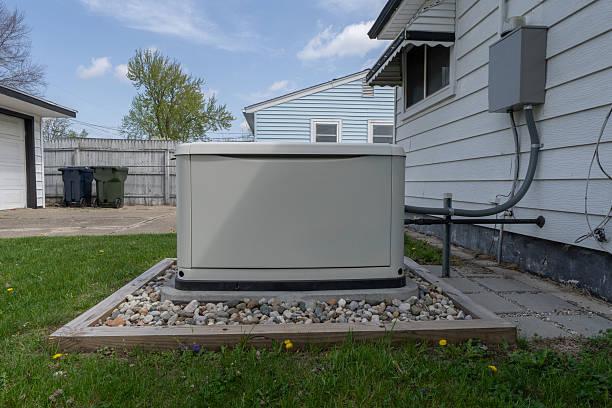
In contrast, permanent standby generators are fixed outdoor units that integrate directly with the electrical system of a home. These systems are enclosed in weather-resistant casings and operate in tandem with an automatic transfer switch. When utility power fails, the system detects the interruption and starts automatically within seconds, even if the occupants are away.
Calculating the correct power capacity, which is measured in kilowatts, is the most critical step in determining equipment costs. A small standby generator of 7 to 10 kilowatts can manage critical circuits such as refrigerators, basic lighting, and well pumps. Mid-sized homes requiring climate control typically need 12 to 20 kilowatts, while larger estates with multiple air conditioning units require 22 to 26 kilowatts or more.
Comprehensive Breakdown of Backup Generator Costs by Power Capacity
Equipment prices scale alongside power capacity because larger units require larger engines, more robust alternators, and enhanced cooling systems. Choosing the correct size prevents the system from overloading while ensuring that the homeowner does not overpay for unused capacity. The table below outlines standard market pricing based on capacity and typical household coverage.
| Generator Capacity | Equipment Price Range | Estimated Installation Cost | Typical Home Coverage |
|---|---|---|---|
| 7 kW to 10 kW | $2,000 - $3,500 | $2,500 - $4,500 | Essential circuits only (refrigerator, lights, sump pump) |
| 12 kW to 16 kW | $3,500 - $5,000 | $3,500 - $5,500 | Mid-sized home with one central air conditioner |
| 18 kW to 22 kW | $5,000 - $7,000 | $4,000 - $6,500 | Whole-house power for standard properties |
| 24 kW to 26+ kW | $6,500 - $9,500 | $4,500 - $8,000 | Large executive estates with high electrical demands |
While portable options are far more affordable, often ranging from $500 to $2,500, they do not offer the seamless integration of standby units. Portable systems also require manual refueling during an extended power outage, which presents logistical challenges during severe winter storms or heavy rainfall. Standby systems remove these friction points by utilizing direct municipal gas connections or large stationary fuel tanks.
The Primary Cost Drivers of Home Standby Generators
Beyond the raw power output of the machinery, several technical factors influence the final cost of a standby installation project. The automatic transfer switch, or ATS, is a critical component that manages the flow of electricity between the grid and the generator. Higher amperage transfer switches, such as 200-amp models designed for whole-house management, cost significantly more than basic 100-amp load-side switches.
Site preparation is another variable that is frequently overlooked during the initial budgeting phase. Standby generators must sit on a completely level, stable foundation to prevent engine damage and excessive vibration. While some lightweight units can be installed on composite pads, larger systems often require a poured concrete pad, which adds labor and material costs.
The physical distance between the electrical meter, the gas supply line, and the proposed generator location also impacts the final price. Every foot of trenching, conduit run, and pipe fitting increases both material expenses and labor hours. Optimal placement close to utility connections minimizes these expenses, whereas complex backyard placements can double the installation labor costs.
Professional Installation and Labor Expense Breakdown
Installing a home standby generator is a complex project that requires specialized knowledge in multiple trade disciplines. This process is not suitable for amateur execution due to the extreme safety hazards associated with high-voltage electricity and pressurized gas lines. Homeowners must hire licensed professionals who understand local building codes and national safety standards.
The electrical portion of the installation typically requires a certified electrician to mount the automatic transfer switch and interface it with the main distribution panel. Electricians must also run heavy-gauge copper wiring from the generator unit to the switch mechanism. Depending on regional labor rates, electrical installation tasks generally range from $1,500 to $3,500.
Simultaneously, a licensed plumber or gas technician must manage the fuel connection to ensure proper delivery pressure and volume. Standby engines require high-volume gas lines to maintain stable operation under full electrical load conditions. Plumbers charge between $500 and $1,500 to run gas lines, upgrade gas meters, or connect external propane storage tanks.
Fuel Source Options and Ongoing Operating Expenditures
The choice of fuel is a significant operational decision that affects both the initial installation budget and ongoing long-term expenses. Natural gas is highly favored in urban and suburban areas because it provides an uninterrupted supply directly from the municipal infrastructure. However, utilizing natural gas may require your local utility to upgrade your gas meter to handle the increased load, costing an extra $300 to $800.
In rural areas where natural gas is unavailable, liquid propane is the most common alternative fuel source. Propane burns cleanly and has a long shelf life, but it requires the installation of large propane storage tanks on the property. Purchasing or leasing these tanks, along with the initial fuel delivery, can add $1,000 to $3,000 to the starting project costs.
Diesel is another viable option, particularly for high-capacity industrial-grade residential systems. Diesel generators offer exceptional fuel efficiency and high torque capacity, making them ideal for heavy electrical demands. However, diesel fuel requires active preservation treatments to prevent fuel degradation and algae growth during long periods of inactivity.
Regional Pricing Disparities Across the US, UK, and Europe
Geographic location plays a substantial role in determining the availability of equipment, labor rates, and local regulatory requirements. In the United States, standby generator installations are highly standardized, though coastal regions prone to hurricanes often experience higher demand and inflated labor costs. Permit fees in the US typically range from $100 to $500 depending on local municipal structures.
In the United Kingdom, backup power systems must comply with strict electrical safety guidelines, including the British Standard BS 7671. The prevalence of single-phase 230V residential systems means that equipment configurations differ slightly from the split-phase systems common in the US. UK homeowners can expect total installation costs to range between £4,000 and £12,000, influenced heavily by local grid interconnection rules.
European installations often face the strictest environmental and noise pollution regulations, particularly in densely populated urban zones. Many European municipalities require acoustic enclosures to keep operational noise levels below specified decibel thresholds. These regulatory requirements, paired with high VAT rates, can increase the total cost of European standby systems by up to twenty percent compared to equivalent US setups.
Routine Maintenance and Long-Term Operational Costs
A standby generator is an active mechanical system that requires consistent preventative care to guarantee operational readiness during an emergency. Much like a vehicle engine, a generator requires periodic oil changes, filter replacements, and spark plug inspections. Neglecting these maintenance tasks can lead to starting failures when the main power grid fails.
Common maintenance tasks include:
- Annual Professional Servicing: Certified technicians inspect electrical systems, test transfer switches, and change fluids, costing $200 to $500 per year.
- Battery Replacement: The internal starting battery must be replaced every 3 to 5 years to ensure reliable ignition, costing $100 to $200.
- Weekly Self-Test Cycles: Generators automatically run for 5 to 15 minutes weekly to lubricate internal seals, which consumes a small amount of fuel over the year.
Ignoring these operational needs can void manufacturer warranties, which typically cover parts and labor for 2 to 10 years depending on the brand. Investing in an annual service contract with a local installer is often the most reliable method for protecting the machine and ensuring its long-term viability.
Financial Return on Investment and Property Value Impacts
While the upfront cost of a whole-house standby generator is substantial, the system acts as a protective hedge for your real estate asset. During extended winter power outages, backup power prevents water pipes from freezing and bursting, which can save tens of thousands of dollars in water damage restoration. It also keeps security systems active and prevents basement flooding by powering sump pumps continuously.
From a valuation perspective, a permanent standby generator is a highly desirable feature for prospective homebuyers. Real estate data indicates that homes equipped with functional, professionally installed standby systems often see an increase in overall market appeal. This addition is particularly attractive to buyers in regions characterized by severe weather patterns or unstable municipal grids.
Furthermore, some premier home insurance providers offer premium discounts to homeowners who install automatic backup power systems. Because these systems mitigate risks associated with freezing pipes, mold, and theft during blackouts, underwriters view the property as a lower risk. Homeowners should consult their insurance brokers to determine if their policy qualifies for these protective premium reductions.
Frequently Asked Questions About Home Backup Generators
How long does a home standby generator last?
A high-quality home standby generator can last between 1,500 and 3,000 hours of active engine operation. Assuming average yearly usage patterns and proper maintenance, these machines regularly provide reliable service for 20 to 30 years.
Can a standby generator run a central air conditioner?
Yes, a standby generator can easily run a central air conditioning unit, provided the generator is sized correctly. Homeowners with large cooling systems typically require a unit of 16 to 22 kilowatts, often paired with a load-shedding transfer switch to manage power spikes.
Is it cheaper to run a backup generator on propane or natural gas?
Natural gas is generally more cost-effective to run because it is supplied directly by public utilities at lower residential rates. Liquid propane is highly efficient and burns hot, but it requires bulk fuel deliveries and is subject to fluctuating market commodity prices.
Do I need a building permit to install a backup generator?
Yes, almost all jurisdictions in the US, UK, and Europe require building, electrical, and plumbing permits to install a standby generator. Obtaining these permits ensures that your installation complies with local zoning laws, noise ordinances, and structural safety codes.
What is the difference between a transfer switch and an interlock kit?
An automatic transfer switch operates instantly and safely switches power sources without manual human intervention. An interlock kit is a manual mechanical device installed on your breaker panel that requires you to physically turn off your main breaker before running a portable generator.
Final Considerations for Selecting a Home Backup Generator
Investing in a home backup generator requires balancing immediate financial constraints with long-term household energy safety. While portable options represent a practical entry-level solution for brief outages, permanent standby systems provide unmatched convenience, security, and integration. Determining the precise electrical loads required to sustain your family is the foundational step in this purchasing journey.
To ensure a safe and legally compliant installation, homeowners should seek multiple detailed project quotes from licensed local contractors. Comparing estimates for equipment, gas plumbing, and electrical labor will clarify local pricing structures and prevent unexpected budget overruns. Ultimately, a professionally integrated backup power system provides lasting peace of mind and secures your home against municipal infrastructure failures.