 Tupangishe
Are Silverfish, Ants, and Earwigs Bad for Your House?
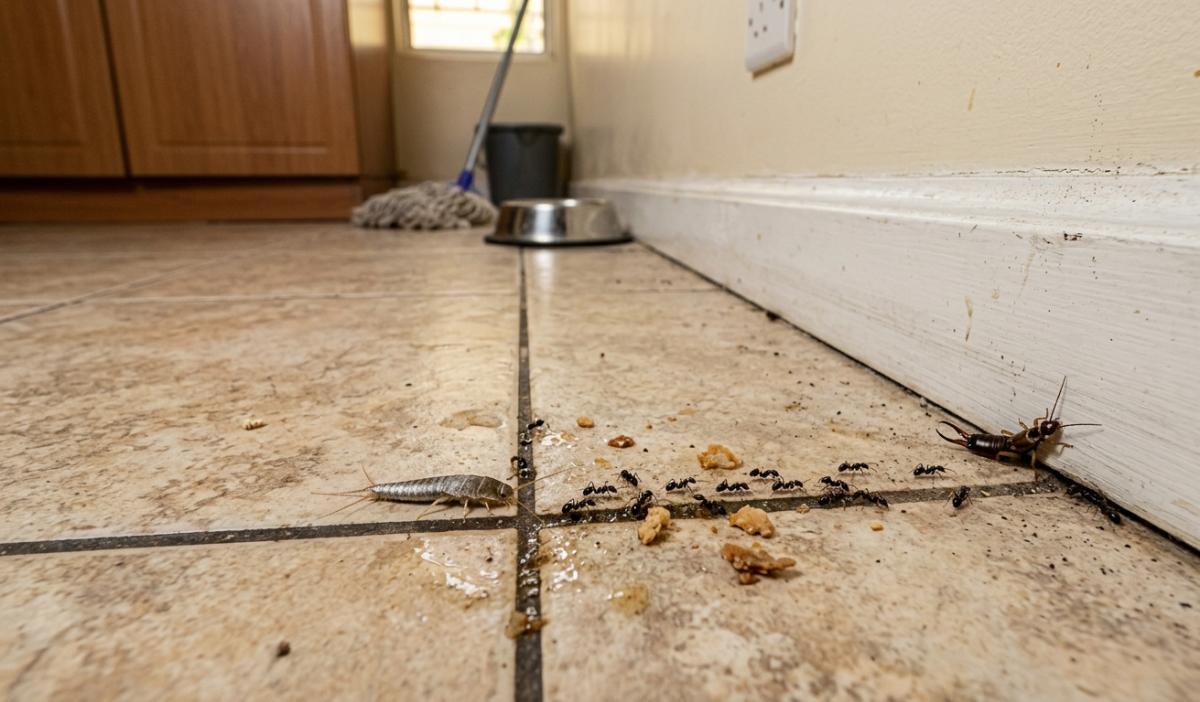
Quick Summary
“Discover whether silverfish, ants, and earwigs pose a genuine threat to your residential property. Learn how these common insects cause expensive cosmetic damage, compromise structural timber, and serve as critical warning signs for hidden moisture problems within your home.”
Finding crawling insects inside your residential property is a stressful experience for any homeowner or tenant. The immediate reaction is usually disgust followed quickly by concern for the physical integrity of the building. Understanding the specific threats posed by different insect species is a fundamental aspect of proactive property management.
Not all indoor insects present the same level of danger to your real estate investment. Some bugs are entirely harmless and merely seeking temporary shelter from extreme outdoor weather conditions. Others are highly destructive pests capable of causing thousands of dollars in hidden structural and cosmetic damage.
Homeowners must learn to accurately identify these common intruders to apply the correct mitigation strategies. Evaluating the true impact of silverfish, various ant species, and earwigs requires looking beyond their unsettling appearance. We will examine exactly how these specific pests interact with your building materials, personal belongings, and overall indoor air quality.
The Hidden Dangers of Silverfish, Ants, and Earwigs in Your Property
Insects do not invade human dwellings by accident or without a biological purpose. Your home provides an artificial ecosystem that perfectly mimics their ideal natural habitats. When bugs breach your building envelope, they are actively exploiting weaknesses in your home maintenance routine.
The presence of these specific insects rarely indicates a primary pest problem. Instead, they act as secondary biological indicators of severe underlying environmental issues within your property walls. Spotting them in your hallways or bathrooms usually means you have a hidden water leak or severely compromised weatherproofing.
Ignoring these biological warning signs can lead to catastrophic repair bills down the line. A small cluster of bugs near a baseboard often points directly to rotting structural joists or saturated drywall framing. Recognizing what draws them inside is the very first step in protecting your property value.
Are Silverfish Bad for Your House? Understanding Material Damage
Silverfish are small, teardrop-shaped insects characterized by their silvery metallic scales and rapid, fish-like movements. While they are completely harmless to human health, they are highly destructive to the interior finishes of your home. They possess specialized enzymes in their digestive tracts that allow them to process complex carbohydrates and starches.
This unique diet makes them a severe threat to expensive cosmetic materials and personal belongings. Silverfish actively consume the specialized adhesives used in high-end wallpaper, causing it to peel and detach from the drywall. They also feast on the binding glue of rare books, important tax documents, and family photo albums stored in cardboard boxes.
Furthermore, silverfish frequently target organic textiles stored in dark closets and humid attics. They will chew irregular, jagged holes through silk curtains, cotton bedding, and expensive leather garments. A severe silverfish infestation can quietly destroy thousands of dollars worth of interior design elements and wardrobe investments before being detected.
Are Ants Bad for Your House? From Nuisance Pests to Structural Threats
Evaluating the danger of an ant infestation depends entirely on the specific species invading your property. Common pavement ants and odorous house ants are generally classified as nuisance pests rather than structural threats. They invade kitchens in massive numbers seeking sugary spills and unsealed pantry goods, but they do not consume building materials.
However, the carpenter ant represents a massive financial threat to any homeowner. Unlike termites that actually eat wood, carpenter ants excavate galleries through structural timber to create their massive nesting networks. They specifically target wood that has been previously softened by water damage, making leaky roof trusses and damp subfloors their primary targets.
Other ant species pose highly unique threats to modern residential infrastructure. The crazy ant species is notoriously attracted to electrical currents and frequently nests inside HVAC units, breaker boxes, and smart home relay panels. Their swarming behavior can cause catastrophic electrical shorts that destroy expensive home cooling systems and pose severe fire hazards.
Are Earwigs Bad for Your House? Myths Versus Reality
Earwigs are easily identified by the menacing, forceps-like pincers located at the rear of their abdomens. An ancient and completely false myth suggests these bugs crawl into human ears to lay eggs while people sleep. In reality, earwigs are highly fearful of humans and have absolutely no interest in nesting in human ears or biting sleeping residents.
From a strict property damage perspective, earwigs are relatively harmless to the structural integrity of your home. They do not consume wooden framing, they do not eat drywall, and they do not destroy indoor textiles. Their primary indoor diet consists of decaying organic matter and smaller dead insects found in damp basements.
The only tangible damage earwigs cause indoors is directed at your expensive houseplants. If they establish a colony in your sunroom, they will aggressively chew ragged holes through the leaves of your decorative indoor flora. Otherwise, finding an earwig indoors is simply a nuisance indicating that your home's humidity levels are improperly regulated.
Comparing the Threat Level of Common Household Insects
Property owners need a clear framework to prioritize their pest control budgets effectively. Treating a harmless nuisance pest with expensive structural fumigation is a massive waste of financial resources. Conversely, ignoring a destructive species will result in collapsing floorboards and ruined drywall.
We have categorized these three common insects based on their specific threat profiles. This data allows homeowners to understand exactly what is at risk when these bugs breach the perimeter.
| Insect Type | Primary Diet Focus | Risk to Building Structure | Risk to Personal Property |
|---|---|---|---|
| Silverfish | Starches, glue, paper, and natural textiles. | Low. They do not consume structural wood or concrete. | High. Destroys wallpaper, books, and expensive clothing. |
| Nuisance Ants | Human food crumbs, sugar, and pet food. | Low. They nest in wall voids but do not excavate materials. | Low. They contaminate food but do not destroy objects. |
| Carpenter Ants | Other insects and honeydew (they do not eat the wood). | High. Excavates load-bearing timber to create massive nests. | Low. They generally ignore human belongings and textiles. |
| Earwigs | Decaying vegetation and soft plant leaves. | Zero. They lack the biology to damage building materials. | Low. They only pose a threat to expensive indoor houseplants. |
What Attracts These Intrusive Pests into Your Living Space?
Insects follow the universal biological rules of seeking food, water, and secure shelter from predators. Modern homes provide a highly stable, climate-controlled environment that shields bugs from freezing winters and scorching summer heatwaves. If your home offers easy access to these three necessities, insects will inevitably colonize your wall voids.
Excessive indoor moisture is the absolute biggest attractant for silverfish, earwigs, and carpenter ants. A slow, undetectable drip under a kitchen sink creates a humid microclimate that acts as a magnet for moisture-dependent bugs. Basements lacking proper vapor barriers and poorly ventilated master bathrooms are the most common ground zeros for heavy infestations.
Exterior landscaping also plays a massive role in funneling bugs toward your foundation. Heavy mulch placed directly against wooden siding provides a damp, decaying bridge straight into your crawlspace. Overhanging tree branches touching your roofline give ants a direct highway to bypass your ground-level chemical pest barriers.
Proactive Home Improvement Strategies to Prevent Infestations
Reacting to bugs with cans of toxic chemical spray is a temporary and highly ineffective strategy. To permanently secure your real estate investment, you must alter the physical environment to make it completely inhospitable to insects. Exclusion and moisture control are the foundations of modern residential pest management.
- Implement Strict Moisture Control: Purchase a high-capacity dehumidifier for your basement and keep relative humidity below 50 percent. Repair all weeping plumbing joints immediately and ensure your bathroom exhaust fans vent completely outside the roofline.
- Seal the Building Envelope: Walk the exterior of your foundation and inspect for micro-cracks. Use premium silicone caulk to seal gaps around window frames, utility pipe penetrations, and exterior door thresholds.
- Optimize Exterior Drainage: Ensure your roof gutters are completely clear of decaying leaf debris. Install gutter downspout extensions to direct rainwater at least six feet away from your foundation concrete.
- Manage Perimeter Landscaping: Pull all organic mulch and decorative soil back at least 18 inches from your home's siding. Trim all tree branches and thick shrubs so they never make physical contact with your exterior walls or roofing shingles.
By implementing these specific home improvement tasks, you starve out the insects already inside and block new ones from entering. You effectively remove the damp, decaying conditions that trigger their biological instinct to nest.
Understanding the Role of Vapor Barriers and Crawlspace Encapsulation
For homes built over dirt crawlspaces, insect management is incredibly difficult without professional structural upgrades. Exposed dirt constantly evaporates heavy moisture directly upward into your wooden floor joists. This creates the exact damp, rotting wood environment that attracts destructive carpenter ant colonies.
Crawlspace encapsulation is a premier home improvement upgrade that permanently resolves this issue. Contractors install a heavy-duty, puncture-resistant polyethylene vapor barrier across the entire dirt floor and run it up the foundation walls. This thick plastic sheeting physically blocks ground moisture from entering the airspace of your home.
Once the space is sealed, a dedicated crawlspace dehumidifier is installed to maintain pristine air quality. This eliminates the damp, dark ecosystem required by silverfish and earwigs to survive and breed. While this is a significant financial investment, it drastically increases property value and permanently halts moisture-driven insect invasions.
When to Call Professional Pest Control Experts
Minor sightings of silverfish or pavement ants can usually be managed with diligent DIY cleaning and basic caulking. Placing silica gel dust or diatomaceous earth inside wall voids provides excellent, non-toxic long-term control. However, certain infestations require immediate, aggressive intervention from licensed professionals.
If you observe large, black ants constantly trailing inside your home during the winter months, you have an active carpenter ant nest inside your walls. You will often find small piles of sawdust, known as frass, accumulating near baseboards or window sills. This indicates active timber excavation that threatens the structural stability of your home's framing.
Professional exterminators possess specialized tools like thermal imaging cameras to locate hidden nests behind thick drywall. They utilize professional-grade, slow-acting non-repellent baits that worker ants carry deep into the colony to kill the queens. Attempting to spray carpenter ants with store-bought chemicals will only cause the colony to fracture and spread deeper into your property.
Frequently Asked Questions About Household Pests
Do silverfish bite humans or pose a danger to pets?
No, silverfish are entirely harmless to both humans and household pets. They lack the mouthparts required to pierce human skin and do not carry any known transmittable diseases. Their danger is strictly limited to the destruction of paper goods, expensive wallpaper, and natural clothing textiles.
Will carpenter ants completely destroy my home foundation?
Carpenter ants do not eat concrete foundations, but they will severely compromise the wooden sill plates and floor joists resting on top of the concrete. Unlike termites, they take several years to cause catastrophic structural failure. However, their presence always indicates a severe, underlying water damage issue that must be repaired immediately.
Why do I constantly find earwigs trapped in my bathroom sinks or bathtubs?
Earwigs require environments with exceptionally high humidity to survive and prevent their bodies from desiccating. They are naturally drawn to the condensation left in bathtubs and the moisture trapped inside sink drains. Because they lack the physical ability to climb smooth, vertical porcelain surfaces, they frequently become trapped in your plumbing fixtures overnight.
Does standard homeowners insurance cover insect damage?
Generally, standard homeowners insurance policies explicitly exclude damage caused by insects, rodents, and general pest infestations. Insurance companies classify pest control and the resulting damage as a routine home maintenance responsibility. You will be entirely financially responsible for repairing drywall or timber destroyed by carpenter ants or silverfish.
How quickly do indoor ant colonies multiply?
Ant colony growth rates depend heavily on the specific species, indoor temperature, and food availability. A mature carpenter ant colony can produce thousands of workers and establish multiple satellite nests throughout a house within a single year. Nuisance ants, like the odorous house ant, can multiply into the tens of thousands in just a few warm summer months.
Final Verdict on Managing Household Insect Threats
Protecting your residential property from insect damage requires a comprehensive understanding of building science and pest biology. While finding an occasional spider or earwig is perfectly normal in any home, consistent insect activity is a blaring alarm system regarding your property's health. Treating these bugs merely as a nuisance is a critical mistake made by many inexperienced homeowners.
Silverfish, ants, and earwigs clearly communicate that your home's defensive envelope has been breached by excessive moisture. Relying on superficial chemical sprays will never solve the root cause of the invasion. You must dedicate your resources to sealing foundation cracks, repairing weeping plumbing, and aggressively regulating indoor humidity levels.
By shifting your focus from reactive extermination to proactive structural maintenance, you protect your real estate investment from severe depreciation. A dry, perfectly sealed house is naturally immune to destructive pests. Maintaining this strict environmental standard ensures your home remains a safe, pristine sanctuary for decades to come.