 Tupangishe
Are Spiders and Centipedes Good for Your House?
Quick Summary
“Discover whether spiders and house centipedes are actually beneficial for your home environment. Learn how these misunderstood indoor predators naturally eliminate destructive pests like roaches and termites, protecting your property without the need for toxic chemical extermination.”
Homeowners frequently panic when spotting multi-legged predators crawling across their baseboards or ceilings. The immediate instinct is to grab a rolled-up magazine or a can of toxic chemical bug spray to eliminate the threat. However, understanding the complex microscopic ecosystem within your property reveals a surprisingly different reality about these unwanted residential guests.
These indoor predators are not actually interested in consuming human food or damaging your property's structural integrity. Their primary biological objective is hunting, capturing, and eating the actual pests that cause expensive household damage. Evaluating whether these creatures are beneficial requires a massive shift in how we view residential pest control and domestic entomology.
Allowing certain predatory insects to coexist within your unfinished basements or crawlspaces can save you significant amounts of money on professional extermination fees. This article will break down the precise ecological roles these creatures play inside your house. You will learn exactly what they hunt, the risks they pose, and how to manage their populations effectively.
The Truth About Why Spiders and Centipedes Enter Your Home
Your residential property offers a climate-controlled sanctuary protected from harsh outdoor weather conditions. When temperatures drop in the late autumn across North America and Europe, insects actively seek out the warmth radiating from your concrete foundation. Predators naturally follow their food source directly into your basement, attic, and primary living areas.
Moisture is another massive attractant for these specific creatures, particularly arthropods. House centipedes possess highly porous bodies that lose water rapidly, forcing them to seek out high-humidity zones to survive. This is exactly why you predominantly find them trapped in bathroom sinks, near leaking plumbing fixtures, or scurrying across damp concrete basement floors.
If your property has a high population of predatory bugs, you actually have a secondary, hidden pest infestation. Spiders and centipedes will not remain in a house that lacks a steady, abundant supply of prey. Their presence serves as an excellent, completely free biological indicator that your home is harboring other, more destructive insect populations within the wall voids.
Are Spiders Good for Your House? The Hidden Benefits
The common house spider is an incredibly effective and completely free biological pest control agent. These arachnids construct sticky webs in high-traffic insect corridors, silently trapping flying and crawling nuisances. They work around the clock in dark corners to keep your indoor airspace free of annoying and disease-carrying insects.
Unlike termites or carpenter ants, common house spiders cause absolutely zero structural damage to your real estate investment. They do not consume wooden joists, they do not chew through drywall, and they do not contaminate your pantry supplies. Their entire existence revolves exclusively around catching and consuming other bugs.
Furthermore, common residential spiders are highly territorial and will actively compete with one another for prime hunting real estate. This natural competition prevents massive, unmanageable spider infestations from taking over your living room. Allowing a few strategically placed webs to remain in your attic or garage can drastically reduce the amount of chemical pesticides you need to purchase annually.
Are Centipedes Good for Your House? Analyzing the House Centipede
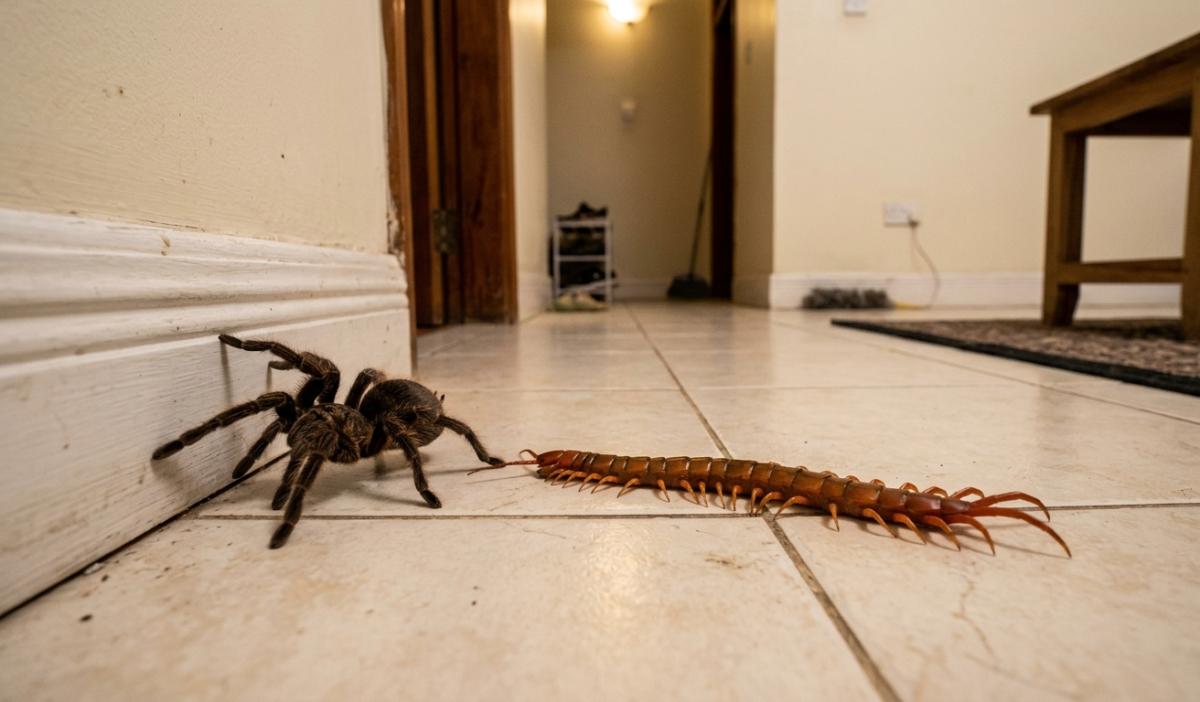
The house centipede, scientifically known as Scutigera coleoptrata, looks incredibly intimidating with its fifteen pairs of rapidly moving legs. Despite its frightening, alien-like appearance, this arthropod is arguably the most beneficial creature that could ever cross your threshold. They are highly active, voracious nocturnal hunters that tirelessly patrol your floors while your family sleeps.
Unlike web-spinning spiders that wait patiently for food to come to them, centipedes actively hunt down their prey. They possess exceptional speed, allowing them to chase down fast-moving, elusive household pests that spiders cannot catch. Once they capture a bug, they use a specialized pair of modified legs near their head to inject paralyzing venom into their target.
House centipedes are exceptionally hygienic creatures that do not spread human diseases. They spend a significant amount of their downtime meticulously grooming their long legs, very much like a domestic cat. They do not carry fatal pathogens, they do not damage wooden furniture, and they do not leave behind sticky webs or property-damaging droppings.
The Destructive Household Pests That Predators Eliminate
The true value of these indoor predators becomes incredibly obvious when you examine the exact diet they consume. The bugs they hunt are the precise species that actually destroy residential homes, ruin clothing, and spread human diseases. Allowing a few predators to live in your utility room provides an invisible shield against serious structural threats.
- Cockroaches: Roaches spread harmful bacteria across kitchen countertops and trigger severe asthma attacks in young children. Centipedes actively hunt and consume roach nymphs, preventing massive infestations from taking root behind your heavy kitchen appliances.
- Silverfish: These moisture-loving bugs consume the glue in book bindings, destroy expensive wallpaper, and eat through natural fabric clothing in your wardrobe. Centipedes and spiders are the absolute best natural defense against silverfish colonies breeding in your dark closets.
- Termites and Carpenter Ants: Wood-destroying insects cause billions of dollars in residential property damage annually across the United States and the United Kingdom. Spiders frequently trap flying termite swarmers and scout ants before they can establish highly destructive colonies inside your wall voids.
- Bed Bugs: While not their primary food source, hungry house centipedes are known to hunt and consume bed bugs. A healthy centipede population acts as an aggressive deterrent against one of the most frustrating and expensive pest infestations a homeowner can face.
By constantly thinning out the populations of these primary pests, spiders and centipedes protect your real estate value. They operate completely out of sight, asking for nothing but the permission to hunt in the dark corners of your property.
Comparing the Benefits: House Spiders vs. House Centipedes
Understanding the specific hunting behaviors of these two creatures helps homeowners appreciate their distinct ecological roles. Each predator tackles a completely different zone of your property's internal ecosystem. We have compiled a comparative breakdown of their specific household benefits below.
| Predator Trait | Common House Spider | House Centipede |
|---|---|---|
| Hunting Strategy | Passive. Builds webs and waits for flying or crawling insects to get trapped. | Active. Sprints across floors and walls to physically chase down fast prey. |
| Primary Diet | Flies, mosquitoes, gnats, moths, and small flying pests. | Cockroaches, silverfish, bed bugs, termites, and earwigs. |
| Household Mess | Leaves behind visible, sticky cobwebs that require regular dusting. | Leaves absolutely zero webs, nests, or structural mess. |
| Speed and Visibility | Stationary and highly visible in upper room corners or window sills. | Extremely fast, nocturnal, and highly skittish. Rarely seen during the day. |
| Threat to Property | Zero threat. Does not consume wood, fabric, or human food. | Zero threat. Highly hygienic and does not damage any building materials. |
Potential Risks and Drawbacks of Indoor Arachnids
While the ecological benefits are substantial and well-documented, coexisting with these predators does come with a few notable drawbacks. The primary concern for most homeowners and renters is the severe psychological distress and arachnophobia these creatures trigger in family members. A residential home should feel relaxing, and constant anxiety over crawling bugs completely ruins that peaceful environment.
While house centipedes are generally harmless to humans, their bite is technically possible if they are directly handled or aggressively squeezed. The bite feels similar to a mild bee sting and is not medically dangerous unless the person experiences a rare, severe allergic reaction. They are extremely skittish creatures and will almost always choose to sprint away rather than attempt to bite a human being.
Cobwebs are another highly frustrating issue associated primarily with spiders. Abandoned, dust-covered webs make a property look dirty and neglected, which can negatively impact the perceived value of a home during a real estate viewing. Regular dusting and vacuuming are strictly required to keep the visible areas of your property looking meticulously maintained.
How to Naturally Manage and Control Indoor Bug Populations
If you appreciate their pest control work but simply cannot stand looking at them, you can manage their numbers naturally. The most effective strategy is to eliminate the environmental conditions that allow them to thrive. By controlling indoor moisture levels, you immediately make your home inhospitable to centipedes and the bugs they eat.
- Run a Dehumidifier: Keep the relative humidity levels in your basement, crawlspace, and bathrooms strictly below 50 percent. Centipedes will quickly dehydrate and leave the property in search of better, damper conditions.
- Seal Structural Entry Points: Walk around the exterior of your foundation and seal any visible cracks with high-quality, weather-resistant silicone caulk. Apply heavy-duty weatherstripping to the bottoms of all exterior doors to block ground-level entry.
- Clear Exterior Clutter: Move firewood piles, dead leaves, and heavy landscaping mulch at least ten feet away from your foundation walls. These damp, dark areas serve as massive breeding grounds for predators before they eventually migrate indoors.
- Vacuum Regularly: Vacuuming removes spider webs, egg sacs, and stray crumbs that attract the primary prey insects. A clean house naturally starves out the bottom of the food chain, forcing the top predators to relocate.
Implementing these simple, chemical-free home improvement tasks fortifies your building envelope. You are creating a physical barrier that stops the problem at the source rather than constantly reacting to bugs inside your living space.
When to Call Professional Exterminators for Pest Control
There is a massive difference between a few helpful house spiders and a dangerous, uncontrolled arthropod infestation. If you live in specific regions of the United States, you must remain highly vigilant about medically significant spiders. The Brown Recluse and the Black Widow carry highly potent venom that requires immediate emergency medical intervention if a bite occurs.
If you begin seeing dozens of spiders or centipedes every single day, your home is suffering from a severe systemic problem. This indicates an explosive, hidden population of prey insects breeding deep within your walls or attic. In this specific scenario, a few natural predators cannot handle the sheer volume, and professional chemical intervention becomes absolutely necessary.
Licensed exterminators will not just spray your baseboards randomly with generic chemicals. They will perform a comprehensive property audit to identify the root nest of the prey insects. Once the primary food source is fully eradicated through professional methods, the predatory spiders and centipedes will naturally vacate your premises due to starvation.
Frequently Asked Questions
Will house centipedes crawl in my bed at night?
House centipedes prefer dark, damp environments like unfinished basements, crawlspaces, and bathroom drains. While they are nocturnal hunters, they actively avoid human contact and have absolutely no interest in climbing into your bed. If you find one in your bedroom, it is simply lost while aggressively hunting for smaller insects along the baseboards.
Do house spiders bite humans while they sleep?
Common house spiders rarely bite humans, and they certainly do not seek out sleeping people to attack for blood. Most unidentified "spider bites" discovered in the morning are actually caused by mosquitoes, bed bugs, or fleas. A spider will only bite a human if it is accidentally trapped in bedding and crushed against your skin.
Should I kill a house centipede if I see one?
It is highly recommended that you do not kill house centipedes when you spot them. While their erratic movement is startling, they are actively working to protect your home from highly destructive pests like roaches, termites, and silverfish. Simply scoop them up with a plastic cup and release them safely into a garage or utility room.
What smells keep spiders and centipedes away from my house?
Both spiders and centipedes possess highly sensitive olfactory receptors and strongly dislike the scent of peppermint, tea tree, and eucalyptus essential oils. Diluting these concentrated oils with water and spraying the mixture around your window sills and door frames creates an effective, natural, and pleasant-smelling repellent barrier.
Final Verdict on Coexisting With Indoor Predators
The microscopic ecosystem operating within your residential property is a delicate balance of predator and prey. Learning to tolerate a small, manageable population of house spiders and centipedes is actually a highly intelligent property management strategy. These silent, nocturnal workers provide around-the-clock, chemical-free extermination services that protect your valuable assets from severe pest damage.
However, your personal comfort and psychological peace of mind must always take absolute priority in your own home. If their presence causes severe anxiety or triggers phobias, focus your efforts on aggressive moisture control and sealing structural gaps to keep them outside naturally. By eliminating their primary food sources and damp habitats, you maintain a clean, pest-free environment without relying on toxic, expensive residential pesticides.