Finding a good rental house in rapidly growing Tanzanian cities like Dar es Salaam, Dodoma, Arusha, or Mwanza is often likened to winning the lottery. Due to high demand in the real estate market, local brokers (dalalis) frequently use high-pressure tactics. You will often hear statements like, "Boss, this house is highly sought after. If you have the cash, pay right now so I can hand over the keys, otherwise, I am giving it to another client who is on the way."
Driven by this intense pressure, coupled with the excitement of seeing fresh paint or shiny new tiles in the living room, many tenants hastily hand over millions of shillings for six months' or a full year's rent without conducting any form of Due Diligence. The result? Deep regrets usually begin within the very first week of moving in. You might discover that the taps run dry, the roof leaks disastrously when it rains, or you find yourself in daily arguments with neighbors over shared electricity bills.
To protect you from these massive financial losses and the ensuing psychological stress, the real estate experts at Tupangishe have compiled this comprehensive guide. Here are 7 critical, intelligence-level checks that you must personally verify with your own eyes (do not simply trust the agent's words) before signing a lease agreement and handing over your hard-earned money.
1. The Real Water Situation (Source and Pressure)
In the Tanzanian context, water is life, but it is also the primary source of tenant frustration. The broker will confidently tell you, "Water is available 24/7." Do not take their word for it. Walk into the house and perform the following physical checks:
- Open All the Taps: Go into the bathrooms and the kitchen, and open the taps to test the water pressure. Does the water gush out forcefully, or does it merely drip? If the house is a multi-story building, ensure the water pressure is strong enough to reach the upper floors.
- Verify the Water Source: Is it piped municipal water (like DAWASA) or from a private borehole (well)? If it is from a well, taste it. Many houses, especially in coastal areas like Kigamboni or Mbezi Beach, have salty borehole water that will aggressively corrode your plumbing fixtures and destroy your appliances (like washing machines and water heaters).
- Check Storage Tanks (Simtanks): Does the house have adequate reserve water tanks? Municipal water can be rationed or cut off for two days; is there enough reserve to sustain your family? If there is no tank, negotiate with the landlord to install one before you pay the rent.
2. Electrical System and LUKU Meter Setup
Electricity disputes in shared rental properties (commonly known as "Shared Compounds" or "Uswazini") have destroyed countless friendships and caused massive communal fights. Before you pay for the house, inspect the electrical setup thoroughly:
- Independent LUKU Meter: This is an absolute necessity. Avoid houses with a "Shared Luku" (shared prepaid electricity meter) at all costs. You will find yourself subsidizing a neighbor who uses air conditioning, water heaters, and irons 24/7, while you only use a TV and a fan. If you must share a main meter, ensure there is a Sub-Meter installed specifically for your unit to track your exact usage.
- Test Sockets and Switches: Carry your phone charger with you during the inspection. Plug it into the living room and bedroom sockets to ensure they are live and functioning. Flip all the light switches to check for blown bulbs or potential electrical shorts.
3. Roof and Wall Integrity (Avoiding Rainy Season Disasters)
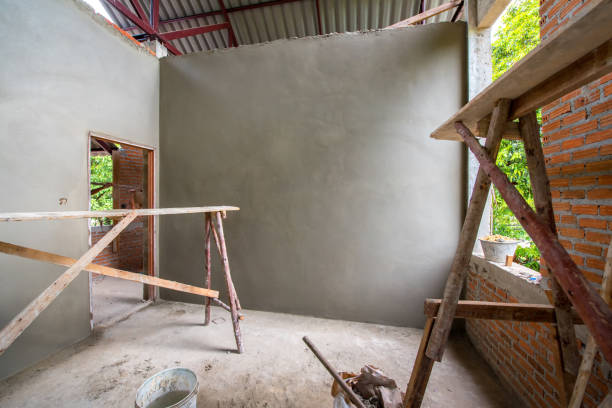
Many landlords employ clever cosmetic fixes. When they get a new tenant during the dry season, they apply a fresh coat of paint to hide water stains caused by a leaking roof from the previous rainy season. Once the heavy "Masika" rains begin, your new home turns into an indoor swimming pool.
- Inspect the Ceiling (Gypsum/Ceiling Boards): Look very closely at the corners of the ceilings in every room. If you spot brown water stains, bubbling paint, or mold, it is a clear indicator that the roof leaks and has not been structurally repaired—only painted over to hide the shame.
- Check for Peeling Walls (Dampness/Rising Damp): Inspect the lower parts of the walls near the skirting boards. If the paint is peeling off by itself or you see white, powdery salt deposits, the house suffers from rising dampness from the ground. This will ruin your wooden furniture, damage wardrobes, and create a persistent foul musty smell inside the house.
4. Sewage and Plumbing Systems
This is an area that many tenants feel too embarrassed to inspect thoroughly, but it is absolutely vital for your health and comfort.
- Flush the Toilets: Walk into the bathrooms and flush the toilets at least twice. Observe if the water goes down rapidly and if the cistern refills quickly. If the water pools up or drains sluggishly, there is a high probability that the septic tank is full or the plumbing pipes are severely clogged.
- Sniff for Foul Smells: Take a deep breath while in the bathrooms and kitchen. If there is a lingering smell of sewage backing up into the house, it means the plumbing "traps" were poorly installed by the contractors.
- Locate the Septic Tank: Ask where the septic tank is located and check its level. In multi-tenant compounds, ask the neighbors who pays for the sewage emptying truck (gari la maji taka) when it fills up. If the burden falls on the tenants, prepare yourself for frequent, annoying financial contributions.
5. Security and Neighborhood Vibe
A beautiful house is completely useless if your personal safety and the security of your belongings are at risk. Conduct some grassroots intelligence gathering before handing over your rent:
- Physical Security Features: Does the property have a solid perimeter wall (fence)? Do all windows have strong iron grills, and do the exterior doors feature robust locks?
- Street-Level Investigation: The absolute best way to gauge neighborhood security is to go buy a bottle of water or soda at the nearest local corner shop (Mangi). Ask the shopkeeper, "Excuse me, how is the security on this street at night? Are there issues with petty thieves?" Local shopkeepers have no vested interest in lying to you; they will give you the unvarnished truth about crime rates in that specific alley.
- History of Floods: If you are looking at houses in valley areas (bondeni) like Mkwajuni, Jangwani, or certain parts of Goba and Mbezi, look for horizontal watermarks on the exterior walls or the fence. Neighbors will tell you the truth if the area becomes completely impassable during heavy rains.
6. Transport, Traffic, and Accessibility
The true cost of renting a house is not just the monthly rent; it includes your daily commuting costs to and from work or your business.
- Distance from the Main Tarmac Road: A broker might tell you, "The house is just two steps from the tarmac." When you arrive, you realize it is a three-kilometer trek. Do the math: If you are forced to take a Bodaboda (motorcycle taxi) every morning and evening at 1,500 TZS per trip, that is an extra 90,000 TZS a month. A house that initially looked cheap suddenly becomes very expensive.
- Condition of Street Roads: During the dry season, all dirt roads look manageable. But visualize the rainy season; will your low-clearance sedan be able to pass without getting stuck in deep mud trenches?
- Noise Pollution: Inspect the immediate surroundings. Is there an open-air bar, a nightclub, or a noisy metal welding workshop right next door? Constant noise pollution will ruin your sleep and destroy the peace of your family life.
7. Legal Ownership and Lease Agreements
This is the stage where the majority of rental frauds occur. After you are satisfied with the first six points, the final and most critical step is ensuring you are paying the right person under legally binding terms.
- Verify the True Landlord: Never pay rent to a broker, a security guard, or someone claiming to be the "landlord's brother" without formal, legal proof (such as a Power of Attorney). Ensure you meet the actual property owner face-to-face, check their National ID (NIDA), and make the payment to a bank account or registered mobile money number matching that exact name.
- Read the Lease Agreement Thoroughly: Do not move into a house based on a "gentleman's agreement" or verbal promises. A written contract must explicitly state: the exact rent amount, how many months have been paid upfront, who is responsible for structural repairs (e.g., a leaking roof), and the refund policy should you need to vacate the premises early.
| Feature to Inspect | Practical How-To Guide | Risk Level (If Ignored) |
|---|---|---|
| Plumbing & Water | Open all taps in bathrooms/kitchen, taste the water (if well), check the Simtank. | High Risk |
| Electrical System | Plug a charger into sockets, flip all light switches, confirm an Independent LUKU. | High Risk |
| Roof & Ceiling Integrity | Scan the gypsum/ceiling boards for brown water stains or peeling paint. | Medium Risk |
| Sewage & Toilets | Flush the toilets to observe drainage speed, sniff for foul sewer odors. | High Risk |
| Security & Neighbors | Interrogate the local shopkeeper (Mangi) about recent thefts and flood history. | Medium Risk |
Conclusion: Protect Yourself Using Tupangishe
Thoroughly inspecting a house requires time, courage, and intense attention to detail. Do not be afraid to ask tough questions; the money you are paying was earned through hard sweat, and you deserve true Value for Money. Strictly avoid brokers who pressure you into making rushed payments without giving you ample time to inspect the property.
The easiest and most secure way to avoid these painful rental traps is to search for your next home through Tupangishe. We ensure that the properties listed on our platform feature genuine photos and accurate descriptions, and we connect you directly with trustworthy, verified landlords and professional agents.
Search for Verified Houses on Tupangishe Now
Frequently Asked Questions (FAQs)
1. Who is responsible for paying for repairs before I move into a new house?
Legally, the landlord is required to ensure the property is fully Habitable before handing over the keys. All tasks such as repainting, fixing leaking roofs, and unblocking toilets are the landlord's responsibility BEFORE you move in. Do not pay rent based on a promise of "Pay first, and I will fix it tomorrow." Ensure it is fixed before you pay.
2. Can I claim my money back if I discover massive defects after moving in?
Yes, provided you signed a formal Tenancy Agreement. If the defect is major (for instance, the house has absolutely no water as was promised, or the roof leaks heavily during rains) and the landlord refuses to rectify it, you have the legal right to declare a Breach of Contract and demand a refund of your remaining rent through the District Land and Housing Tribunal.
3. What should I do if the house I love has a Shared LUKU (Electricity Meter)?
If you absolutely must live there, firmly request the landlord to install a Sub-Meter for your specific unit. This is a small, inexpensive device that calculates the exact power units consumed by your apartment alone. This will permanently eliminate stressful arguments and billing estimations with your neighbors.
4. Will the broker help me if I encounter problems with the house later?
Informal street brokers (Vishoka) typically cut off all communication the moment they receive their commission. Legally, your binding contract is between you and the landlord. The broker is merely a facilitator. This is exactly why it is crucial to use formal, verified platforms like Tupangishe to ensure you are dealing with reputable individuals from day one.