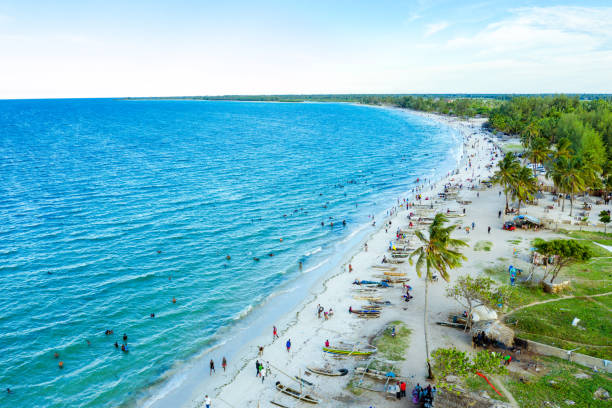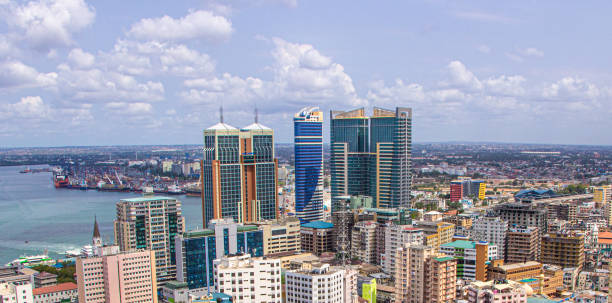
Dar es Salaam, the undisputed commercial capital of Tanzania and a major economic hub in East Africa, is a dream destination for young professionals seeking opportunities, as well as international expatriates and investors. The city never sleeps; it is renowned for its stunning Indian Ocean beaches, bustling commercial streets, and the incredibly hospitable culture of its people. However, when making the critical decision to relocate or switch housing within this massive metropolis of over 5 million people, the biggest question that plagues everyone is: Where is the best, safest place to live that also fits my budget?
The rental housing market in Dar es Salaam is vast and fraught with challenges. From severe traffic congestions that eat up hours of your day, and neighborhoods prone to catastrophic flooding during the rainy season, to the pervasive wave of rogue street brokers ("vishoka") who scam naive tenants out of "viewing fees" before vanishing into thin air. This reality makes the process of house hunting an absolute nightmare if you do not have the right guidance.
This is exactly where Tupangishe steps in to simplify your life. We are Tanzania’s number one real estate platform, connecting you directly with verified landlords and professional agents. In this comprehensive guide, we have conducted extensive market research to bring you the top five (5) best, most beautiful, and safest neighborhoods to live in Dar es Salaam. We will analyze the security landscape, current rental prices, and social amenities to help you make a highly informed decision.
The 5 Most Popular and Safest Neighborhoods in Dar es Salaam
While Dar es Salaam is divided into five main administrative districts, residential prestige is measured by specific neighborhoods. Here are the top-tier areas to consider:
1. Masaki and Oysterbay (The Peninsula)
If you are searching for premium, high-end luxury living, Masaki and Oysterbay are your ultimate answers. Located on a Peninsula directly facing the Indian Ocean, this area is the Beverly Hills of Tanzania. This is where you will find the residences of diplomats, senior government officials, and the international expatriate (Expat) community.
Pros: Security here is near 100%, maintained by private firms and heavy police presence. The roads are excellent, the environment is exceptionally serene, and it boasts the highest concentration of international restaurants, mega-supermarkets (like Shoppers Plaza), and top-tier International Schools.
Cons: Rental prices here are astronomically high and are frequently charged in US Dollars (USD). It is not a budget-friendly area for middle or lower-income earners.
2. Mbezi Beach and Mikocheni
These are the prime upper-middle-class neighborhoods of the city. Mbezi Beach offers a fantastic blend of quiet suburban living with close proximity to the ocean. Mikocheni is situated closer to the city center and hosts numerous corporate offices.
Pros: You will find a great mix of large standalone houses with spacious walled compounds and modern apartment complexes. The area is packed with essential services including top hospitals (e.g., Kairuki), great schools, and entertainment lounges. It is highly recommended for raising a family.
Cons: During morning and evening rush hours, residents of Mbezi Beach face severe traffic jams on Bagamoyo Road and New Bagamoyo Road.
3. Upanga and Ilala (CBD Proximity)
If you work in Posta (The Central Business District - CBD) or the bustling Kariakoo market, Upanga and Ilala are highly strategic locations. Upanga is particularly famous for hosting a large population of the Asian-Tanzanian community and is characterized by high-rise apartment buildings.
Pros: Living in Upanga or Ilala completely saves you from the nightmare of Dar es Salaam traffic. You can walk or take a 10-minute drive to your office in Posta. Security is generally good, and social services are literally at your doorstep.
Cons: The vast majority of properties here are high-rise apartments (Flats). If you desire a standalone house with a large compound and a private garden, it is almost impossible to find here. Furthermore, the population density is quite high.
4. Sinza and Kijitonyama
This is the most popular zone for young working professionals, mid-level business owners, and people who enjoy a vibrant, fast-paced lifestyle. Sinza is famously known as "The street that never sleeps."
Pros: It has excellent infrastructure with tarmac roads on almost every street, and it is easily accessible from any corner of Dar es Salaam. It features 24-hour bars, barbecue joints (nyama choma), salons, and convenience stores. The rent is highly affordable for standard corporate workers.
Cons: It is not a quiet neighborhood. If you are seeking 100% zero-noise tranquility, Sinza might frustrate you due to the high number of entertainment venues. However, neighboring Kijitonyama offers a much quieter, residential alternative.
5. Kigamboni (South Beach)
Kigamboni is developing at a breakneck pace, attracting thousands of residents fleeing the traffic and congestion of the city's northern and western corridors. It is an excellent area for families who need large spaces and fresh ocean breezes.
Pros: Plots and houses here are very spacious. The rent is significantly cheaper compared to the high quality of housing you receive. It is incredibly peaceful and features the cleanest beaches for weekend relaxation.
Cons: To access the CBD (Posta), you must cross the ocean via the Ferry (Pantoni) or the Nyerere Bridge. If you do not own a private vehicle, relying on public transport can be challenging late at night or during the morning Ferry queues.
Rental Prices and Market Analysis
Rental prices in Dar es Salaam vary wildly based on the distance from the CBD, the prestige of the street, and the architectural finishing of the building. Below is a comprehensive table showcasing average monthly rental prices (in TZS and USD).
| Neighborhood / Area | Master Room (Self-contained) | Modern Apartment (2 Bedrooms) | Whole House (Standalone/Luxury) |
|---|---|---|---|
| Masaki / Oysterbay | TZS 800,000 - 1.5M | $1,000 - $2,500 (USD) | $3,000 - $6,000+ (USD) |
| Mbezi Beach / Mikocheni | TZS 300,000 - 500,000 | TZS 600,000 - 1.2M | TZS 1.5M - 3.5M |
| Upanga / Ilala | TZS 350,000 - 600,000 | TZS 800,000 - 1.8M | (Extremely Rare to find) |
| Sinza / Kijitonyama | TZS 200,000 - 350,000 | TZS 450,000 - 800,000 | TZS 1M - 2M |
| Kigamboni (Kibada/Mji Mwema) | TZS 150,000 - 250,000 | TZS 350,000 - 600,000 | TZS 800,000 - 1.5M |
Why Do Prices Fluctuate So Drastically?
This massive price disparity is driven by several core factors. The first is Security and Neighborhood Infrastructure. A house in Masaki commands premium rent because the street guarantees tight security from private firms and police, alongside flawless roads. Secondly, Reliable Water Supply. Areas connected to the 24/7 DAWASA piped water network are rented out at a much higher premium compared to those relying on salty, underground boreholes.
The third major factor is Building Quality and Finishing. An apartment featuring built-in Air Conditioning (AC), fully fitted modern kitchen cabinets, and a standby backup generator will demand double the rent of a standard apartment lacking these amenities, even if both properties are located on the exact same street in Mikocheni.
Social Services and Infrastructure
Transport and Commuting
Dar es Salaam relies heavily on public commuter buses known as Daladalas, and the modern Bus Rapid Transit (BRT) system locally called "Mwendokasi." If you choose to live in areas like Kimara or Ubungo, the BRT will be your absolute lifesaver to bypass the horrendous Morogoro Road traffic. For inner neighborhoods like Sinza and Mbezi Beach, three-wheelers (Bajaj) and motorcycle taxis (Bodaboda) are readily available to facilitate "last-mile" transport right to your gate.
Water and Electricity Supply
The local water authority (DAWASA) has executed massive projects to improve water access across the city. However, developing fringe areas like Goba, Madale, or specific pockets of Mbezi Beach still experience intermittent piped water supply. When renting, always ensure the property is equipped with a large reserve water tank (Simtank). Electricity is managed via the LUKU (Prepaid meter) system, which is generally reliable, though occasional scheduled power cuts do occur.
Schools and Hospitals
The city hosts the finest educational and medical institutions in the country. For International Schools catering to expats, Masaki and Mikocheni are home to prestigious institutions like IST (International School of Tanganyika) and HOPAC. In terms of healthcare, massive facilities like Muhimbili National Hospital (CBD), Aga Khan Hospital (Upanga), and Kairuki Hospital (Mikocheni) offer specialized medical care that is easily accessible from all the prime neighborhoods mentioned above.
Challenges You Must Know (Traffic and Floods)
You cannot discuss living in Dar es Salaam without addressing Traffic Jams (Foleni). If you reside in Tegeta, Mbezi Beach, or Kimara, and work in the CBD (Posta), you must wake up at 5:00 AM to ensure you are at your desk by 8:00 AM. Traffic on Bagamoyo and Morogoro roads is a grueling daily reality. This is precisely why inner-city areas like Upanga and Ilala command such high rents; you are paying to escape the traffic.
The second major challenge is Flooding (Mafuriko). During the heavy rainy season (March to May), specific low-lying areas of the city flood severely, rendering roads impassable. Avoid at all costs renting houses in valleys or unplanned settlements like Jangwani, Mkwajuni, or specific parts of Tandale and Msasani Bonde la Mpunga. When house hunting, rigorously inspect perimeter walls for horizontal watermarks—a sure sign of past flooding.
How to Find a House in Dar es Salaam Without Getting Scammed
The Dar es Salaam real estate market is heavily infiltrated by thousands of scammers. To protect yourself and your money:
- ABSOLUTELY REFUSE to Pay "Viewing Fees": Any broker who demands that you send money for transport or "agency registration" via mobile money before you have even met them or seen the house is a scammer. Genuine brokers earn their commission only after their job is done and you have signed the lease.
- Conduct Due Diligence on the Owner: Before paying a massive 6-month rent advance, demand to see the landlord's National ID. Ask the immediate neighbors or the Local Street Chairperson (Mjumbe) to verify if the person presenting themselves is the true, legal owner. Avoid the "The landlord traveled, give me the cash" scam.
- Use the Safe Tupangishe Platform: The absolute best and most secure way to bypass all this stress is to use Tupangishe.com. We actively filter and verify the property listings on our network. You can view genuine photos, compare real prices, and communicate exclusively with trusted, verified landlords and professional agents, all from the comfort of your living room.
Conclusion
Dar es Salaam is a vibrant, beautiful city to live in, offering boundless economic and social opportunities. Choosing the right neighborhood depends on three primary factors: Your budget, your workplace location, and your preferred lifestyle. Whether you desire the elite tranquility of Masaki, the fresh ocean breeze of Kigamboni, or the energetic commercial buzz of Sinza, ensure you conduct thorough research before signing any lease agreement.
Are you ready to start your new life in Dar es Salaam? Do not waste your precious time wandering the hot streets with bothersome, unverified street brokers.
Click Here to Search for Houses and Apartments in Dar es Salaam Today!
Frequently Asked Questions (FAQs)
1. Which area is the best and safest for an Expatriate to live in Dar es Salaam?
Masaki and Oysterbay (The Peninsula) are by far the best neighborhoods for international expats. They offer extremely tight security, excellent infrastructure, a massive community of diverse nationalities, and proximity to top-tier international schools offering foreign curricula.
2. If I have a tight budget and I am a single young professional, where should I live?
Sinza, Kijitonyama, and Mwenge are fantastic areas for young professionals. The rent is highly manageable, public transport is available 24/7, and all social amenities (shops, restaurants, laundries) are right at your doorstep. Alternatively, Kigamboni is excellent for finding spacious, modern houses at very affordable rates.
3. Does the BRT (Mwendokasi) public transport system reach all areas of Dar es Salaam?
No. Currently, the BRT system operates efficiently only along Morogoro Road (from Kimara/Mbezi to Kivukoni/Gerezani) and Kawawa Road (from Morocco to Magomeni). Therefore, if your strategy is to use the BRT to escape traffic jams, you must rent a house in areas like Kimara, Ubungo, Magomeni, or Kijitonyama.
4. Is rent supposed to be paid monthly or yearly?
While Tanzanian housing laws permit monthly rent payments, the harsh reality of the Dar es Salaam market is that the vast majority of landlords demand a minimum of six months (6 months upfront) or even a full year in advance. However, due to recent economic shifts, utilizing verified platforms like Tupangishe makes it much easier to find progressive landlords who accept 3 months upfront, or even month-to-month payments (especially for high-end modern apartments).