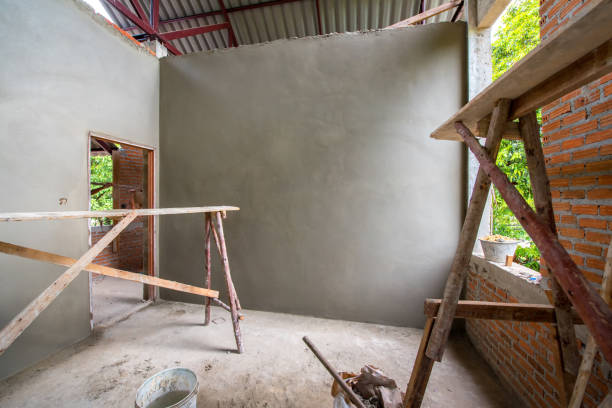
Plastering is one of the most transformative stages of house construction. It is the process that turns a rough block structure into a smooth, habitable home, providing both aesthetic beauty and structural protection against the elements. For a two-bedroom house in Tanzania, plastering is a significant part of the finishing budget. This finishing and material guide provides a detailed breakdown of what you need to budget for, from the quality of sand to the prevailing labor rates in the market.
Why Quality Plastering Matters
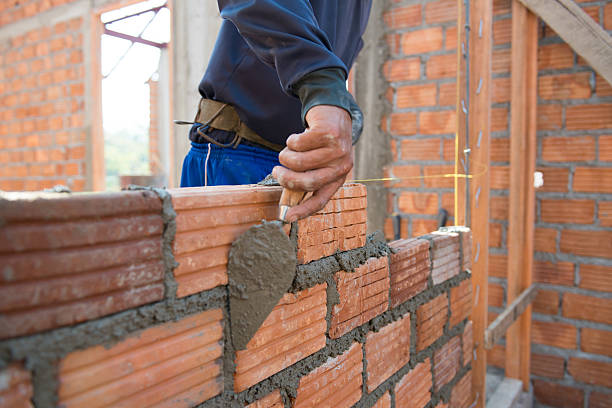
Plastering does more than just make walls look good; it serves as a protective layer for your cement blocks or bricks. High-quality plastering prevents moisture from seeping into the walls, which can lead to dampness (unyevu) and paint peeling. It also provides a level surface for the application of "skimming" and final paint coats.
Material Requirements for a Standard Two-Bedroom House
A typical two-bedroom house in Tanzania (ranging from 70 to 90 square meters of floor area) has an estimated total wall surface area of 250 to 350 square meters, including both internal and external walls. To cover this area, the following materials are essential:
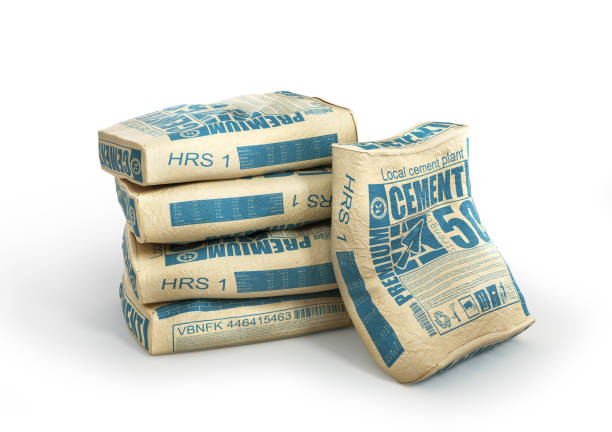
- Cement: For plastering, a mix ratio of 1:4 or 1:5 (one bag of cement to four or five wheelbarrows of sand) is standard. For a two-bedroom house, you will typically need between 45 and 65 bags of cement.
- Fine Sand (Mchanga wa Mtoni): Not all sand is suitable for plastering. You must use fine river sand that has been sieved to remove pebbles and impurities. Using salty or dirty sand will cause the plaster to "sweat" or crack later.
- Water: Clean, fresh water is vital. Salty water can react with the cement and cause "efflorescence" (white salty patches) on your finished walls.
- Binding Agents (Optional): Some builders add chemical bonding agents or "lime" to the mix to improve workability and reduce the chances of shrinkage cracks.
Labor Costs and Rates in Tanzania
In the Tanzanian construction market, plastering labor is usually charged in one of two ways: per square meter or as a "lump sum" for the entire project. As a Quantity Surveyor (QS) would recommend, paying per square meter ensures you only pay for the work actually done.
- Standard Rate: The labor cost for plastering currently ranges from TZS 2,500 to TZS 4,500 per square meter. This price often includes both the "rough coat" and the "fine coat" (pande la mwisho).
- External Walls: External plastering may cost slightly more if the house is high and requires scaffolding (mapau) to be built for the fundis to reach the top sections safely.
- Windows and Doors: Fundis often charge extra for "corners" or "reveals" around windows and doors, as these require more precision and time.
Plastering Cost Breakdown Table (Estimated)
| Material/Item | Quantity (Est.) | Unit Cost (TZS) | Total Cost (TZS) |
|---|---|---|---|
| Cement (50kg bags) | 55 Bags | 20,000 - 24,000 | 1,100,000 - 1,320,000 |
| Fine River Sand | 2 - 3 Trucks (7-ton) | 180,000 - 250,000 | 360,000 - 750,000 |
| Labor (Square Meters) | 300 sqm | 3,000 - 4,000 | 900,000 - 1,200,000 |
| Water & Miscellaneous | Lump Sum | -- | 150,000 - 300,000 |
| Estimated Grand Total | 2,510,000 - 3,570,000 | ||
Factors That Increase Plastering Costs
- Wall Unevenness: If the block-work (bricklaying) was poorly done and the walls are not "plumb," the plasterers will need to use more cement and sand to level the walls, increasing material consumption.
- Design Complexity: Modern architectural features like "recessed grooves" (mifereji) or decorative moldings (pichu) increase labor time and costs.
- Scaffolding: For external walls of high-roofed houses, the cost of renting or buying timber for scaffolding must be factored in.
- Curing: After plastering, the walls must be watered (curing) for at least 7 days to reach maximum strength. If you are in an area where water is expensive, this will add to the budget.
Frequently Asked Questions (FAQs)
1. How long should I wait before painting plastered walls?
It is recommended to wait at least 21 to 28 days. Plaster needs time to "cure" and release all moisture. Painting too early will cause the paint to bubble or peel off because of the trapped moisture and the high alkalinity of fresh cement.
2. Why is my plaster cracking (hairline cracks)?
Hairline cracks usually occur because of "shrinkage." This happens if the mix was too rich in cement, if the sand was too fine, or if the wall was not properly watered (cured) during the first week. Cracks can also happen if the plaster was applied during very hot and windy weather without protection.
3. Can I use sea sand for plastering if I wash it?
No. Even after washing, sea sand often retains salt within its grains. Salt attracts moisture from the air, leading to permanent dampness and "salt damp" on your walls, which will destroy your paint work in a very short time. Always invest in quality river sand.
4. What is the difference between plastering and skimming?
Plastering is the primary layer of cement and sand that levels the wall. Skimming is the final thin layer of "gypsum filler" or "wall putty" applied over the plaster to create a glass-smooth surface for high-end paint finishes.
Quantity Surveyor (QS) Tips for a Smooth Finish
To get the best value for your money, ensure your fundi uses a "spirit level" and "straight edge" (rula) frequently during the process. Before starting, the walls should be splashed with water to prevent the dry blocks from sucking moisture out of the fresh plaster too quickly. Finally, always buy your cement in batches to avoid it getting hard due to moisture if the project takes longer than expected.