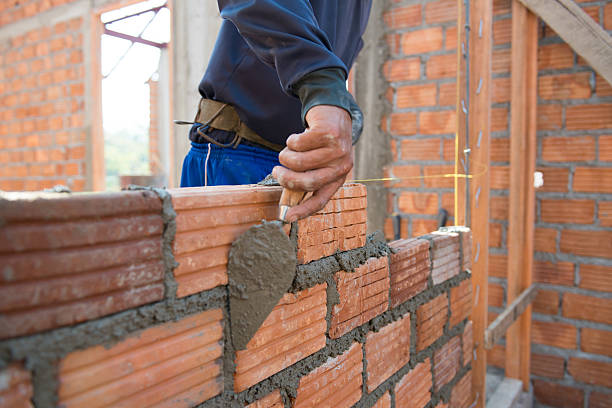
Cement is the backbone of the construction industry in Tanzania. Whether you are laying a foundation for a small residential house or erecting a multi-story commercial complex, cement is likely your most significant recurring material expense. However, the price of cement in Tanzania is notoriously volatile, influenced by everything from factory maintenance schedules to global fuel price shifts. This market guide for builders provides a deep dive into the current pricing landscape, brand comparisons, and strategic buying tips to help you manage your construction budget effectively.
Major Cement Brands in Tanzania
Tanzania is home to several high-capacity cement manufacturers. While the chemical composition is regulated by the Tanzania Bureau of Standards (TBS), each brand has its own market perception and pricing strategy:
- Twiga Cement (TPCC): Produced in Dar es Salaam, Twiga is often perceived as a premium brand with high consistency, often used in large-scale infrastructure projects.
- Simba Cement (Tanga Cement): Based in Tanga, this brand is a favorite for builders in the northern and lakeside zones due to its reliable supply chain.
- Dangote Cement: With its massive plant in Mtwara, Dangote often influences market prices through its high-volume production and extensive distribution network.
- Nyati Cement & Camel Cement: These brands often provide competitive pricing and are widely used for general-purpose masonry, plastering, and block-making.
Current Price Estimates and Regional Variations
In Tanzania, cement prices are heavily dictated by "Distance from Factory." Dar es Salaam typically enjoys the lowest prices due to the proximity of multiple plants, while regions like Kagera, Ruvuma, and Kigoma face higher costs due to logistics and transportation overheads.
| Region | Estimated Retail Price (per 50kg Bag) | Market Availability |
|---|---|---|
| Dar es Salaam & Pwani | TZS 18,500 - 21,500 | Excellent |
| Arusha & Moshi | TZS 20,500 - 23,500 | Good |
| Mwanza & Lake Zone | TZS 22,000 - 25,000 | Stable |
| Dodoma (Capital City) | TZS 21,000 - 24,000 | Very High Demand |
| Remote/Inland Regions | TZS 24,000 - 28,000 | Variable |
Understanding Cement Grades: 32.5 vs. 42.5
When buying cement, you will notice numbers on the bag. These are not just codes; they represent the strength of the cement:
- 32.5N / 32.5R: This is general-purpose cement. It is ideal for plastering, flooring, and making standard blocks for single-story houses. It is usually slightly cheaper.
- 42.5N / 42.5R: This is high-strength cement. It is mandatory for structural concrete works like columns, beams, slabs, and multi-story buildings. It sets faster and provides higher load-bearing capacity.
Factors Influencing Price Fluctuations
- Fuel Prices: Cement production and distribution are energy-intensive. Any rise in diesel or coal prices directly impacts the factory price.
- Seasonality: During the dry season (the peak building season), demand spikes, often leading to temporary shortages and price hikes. In the rainy season, demand drops, and prices may stabilize or decrease slightly.
- Factory Maintenance: When a major plant shuts down its kiln for annual maintenance, the market supply can drop by thousands of tons, causing an immediate price surge.
- Competition and Import Policies: Government taxes on imported clinker or finished cement help protect local industries but can also influence the floor price of locally produced bags.
Frequently Asked Questions (FAQs)
1. Is it cheaper to buy cement directly from the factory?
Factories usually only sell to registered distributors who buy in bulk (e.g., 600 to 1,200 bags per order). For an individual builder, buying from a large wholesale dealer in your local town is usually the most cost-effective option compared to retail hardware shops.
2. How long can I store cement before it expires?
Cement should ideally be used within 3 months of its production date. If stored longer, it begins to lose its strength due to "air-setting" (absorbing moisture from the atmosphere). Always check the manufacturing date printed on the side of the bag.
3. How should I store cement on a construction site?
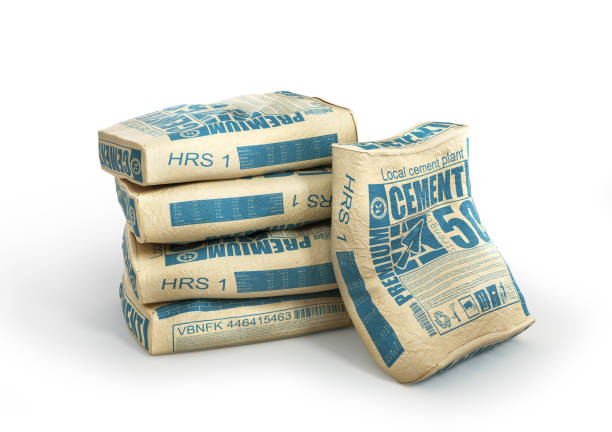
Never store cement bags directly on the floor. Use wooden pallets (pallet za mbao) to keep them at least 15-20cm off the ground. Stack them in a dry, leak-proof store and keep the bags close together to reduce air circulation between them.
4. Why is Dangote cement sometimes cheaper than Twiga?
Pricing differences often stem from production costs and market entry strategies. Dangote’s massive plant in Mtwara has high efficiency, allowing them to price aggressively to gain market share in specific regions.
Expert Tips for Bulk Buyers
If you are embarking on a project that requires more than 200 bags, do not buy in small batches of 10 bags. Negotiate a "Project Rate" with a wholesale distributor. Most wholesalers will offer a discount of TZS 500 to TZS 1,000 per bag if you buy a full truckload. Additionally, ensure you have a secure, dry storage facility ready before the truck arrives to avoid material loss through moisture or theft.